
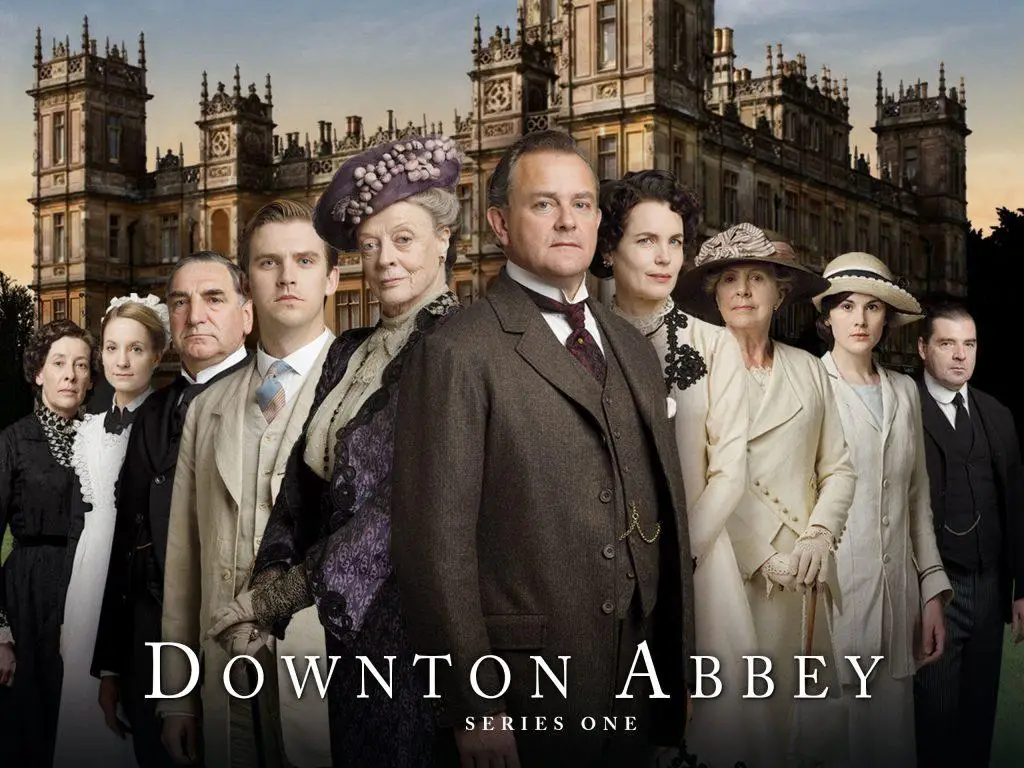
If you’ve ever watched Downton Abbey, you know it is a treasure trove of insights that extend well beyond its dazzling period drama façade. But for a business owner, the central struggle of the Crawley family hits a little differently.
Lord Grantham didn’t just view the estate as an asset to be sold to the highest bidder. He viewed it as a responsibility. He felt the weight of the village, the tenant farmers, and the staff downstairs.
Does that sound familiar?
If you are an SME founder in Essex, you likely aren’t asking, “How much can I get?” You are asking, “What will happen to my people?”. You’ve built a ‘work family,’ and the idea of walking away feels less like a retirement and more like a betrayal.
However, Downton teaches us that true stewardship isn’t about holding on forever; it’s about preparing the estate to survive without you.
Here are three lessons from the estate’s storied halls on how to exit without abandoning the family you built:
1. Uphold Your Legacy by Codifying Your Values
Downton Abbey isn’t just a stately home; it embodies a legacy built on tradition, deeply ingrained values, and a recognizable identity. The staff knew the standards not because they were written in a handbook, but because they were lived every day.
For an SME, a succession plan should do more than merely transfer leadership. It must safeguard the essence of what makes your business unique.
The Lesson for the Guilt-Prone Founder: Your fear is that a new buyer will strip the assets and fire the staff. The best defense against this is ensuring that your successors not only understand but live by your company’s core values. You can’t clone yourself, but you can clone your standards. When your values are the bedrock of the business, the culture survives even when you aren’t in the room.
2. Embrace Evolution to Protect Jobs
The Crawley family’s journey is defined by the delicate balance between preserving time-honored customs and navigating modern pressures. There were times when Lord Grantham’s refusal to change actually put the estate and the jobs of his staff at risk.
In a business context, this translates to selecting leaders who are agile and capable of innovating.
The Lesson for the Guilt-Prone Founder: You might feel that staying is the only way to protect your team. But if you hold on too tight, you might accidentally stifle the growth required to keep them employed. Succession planning should focus on nurturing successors who can integrate new strategies without eroding the identity that made the business successful. Sometimes, the kindest thing you can do for your staff is to bring in fresh energy that secures the business for the next 20 years.
3. Clarity is Kindness
Much of the intrigue in Downton Abbey arises from internal conflicts, secrets, and family rivalries. But in a real business, ambiguity is destructive.
When a founder has no plan, the staff creates their own narratives. They worry about their mortgages; they worry about the future. Uncertainty causes the very internal fractures you are trying to avoid.
The Lesson for the Guilt-Prone Founder: A well-articulated succession plan ensures that the transition is smooth and that leadership challenges are met with unity rather than discord. Providing a clear path forward is the ultimate act of care for your employees. It tells them: “I have thought about your future, and you are safe.”
3 Practical Steps to Start Your Succession Plan Today
If you are suffering from “Stewardship Guilt”, you don’t need to have it all figured out today. You just need to take the first step to ensure you pass the “Supermarket Test” (being able to see your old team in Tesco without wanting to hide!).
- Define Your “Non-Negotiables” Before you even look for a buyer or successor, write down the elements of your culture that are sacred. Is it the annual bonus? The no layoff policy? The local supply chain? Knowing these allows you to filter potential successors or buyers who don’t align with your values.
- Explore “Stewardship” Exit Options You aren’t limited to selling to a competitor or Private Equity. Research options like an Employee Ownership Trust (EOT). This allows you to sell the business to the staff (often tax-free), ensuring they remain in control of their own destiny. It creates a legacy where the team literally owns the estate.
- Start the “Knowledge Download” Stewardship means ensuring the business isn’t reliant on your specific genius. Start documenting your processes and key relationships now. The more the business runs effectively without you, the more secure your team’s jobs are when you eventually step back.